

(204)
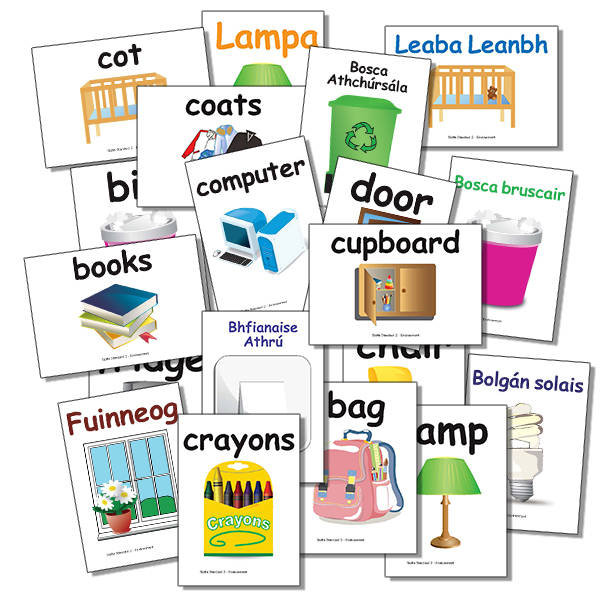 There were
two strategies that really stood out to me that I would have never thought of
on my own. The first was to attach
relatable images to vocab words. The
students could see boiling pasta for evaporation, for example. The vocab cards added to that, since she was
familiarizing the students with a common learning strategy for high school and
college students. I also would have
never thought about the importance of having students write on the board. It’s
exciting to see them come up and feel more special than if they had just called
out something, and, as they said, it does keep them engaged since they may be
called up. When teachers are writing on the board, they often call on students they
know will answer correctly. This strategy could be used to get students ready
to go up whether they were meaning to or not, and it wouldn’t take long for
this to have the effect of having students more comfortable making mistakes and
learning from them in your classroom environment.
There were
two strategies that really stood out to me that I would have never thought of
on my own. The first was to attach
relatable images to vocab words. The
students could see boiling pasta for evaporation, for example. The vocab cards added to that, since she was
familiarizing the students with a common learning strategy for high school and
college students. I also would have
never thought about the importance of having students write on the board. It’s
exciting to see them come up and feel more special than if they had just called
out something, and, as they said, it does keep them engaged since they may be
called up. When teachers are writing on the board, they often call on students they
know will answer correctly. This strategy could be used to get students ready
to go up whether they were meaning to or not, and it wouldn’t take long for
this to have the effect of having students more comfortable making mistakes and
learning from them in your classroom environment. This chapter had some really great tips on how to help
students read through a textbook, and possible strategies to have them do less
or no reading in the textbook. I was disappointed
that so many of the strategies wouldn’t work well in the math classroom. For example, they talked about book clubs and
Jigsaw reading, which I really don’t see as effective strategies with a math
textbook. There is potential with the
vocabulary word sorting strategy and I really did connect to the material
asking us to get the students out of the textbook. I recently posted a TED Talk where he took a
problem from a textbook and created a real video of it happening! That is so
much more effective than just assigning seven pages a night so they can get
through it all. I think students can
learn a lot better in a classroom where a teacher is dedicated to teaching
outside of the textbook, in words the students can understand. Yes, they should
learn the math vocabulary, but that does not mean that it isn’t useful for them
to hear something in normal words first and begin to understand how math
vocabulary connects to it after. I could
see myself putting vocabulary words and textbook definitions up on the board,
and having students help me break down the definition until everyone can
understand it. This strategy could help
them throughout the unit as well as later in life when they come across words
and definitions that they don’t understand.
This chapter had some really great tips on how to help
students read through a textbook, and possible strategies to have them do less
or no reading in the textbook. I was disappointed
that so many of the strategies wouldn’t work well in the math classroom. For example, they talked about book clubs and
Jigsaw reading, which I really don’t see as effective strategies with a math
textbook. There is potential with the
vocabulary word sorting strategy and I really did connect to the material
asking us to get the students out of the textbook. I recently posted a TED Talk where he took a
problem from a textbook and created a real video of it happening! That is so
much more effective than just assigning seven pages a night so they can get
through it all. I think students can
learn a lot better in a classroom where a teacher is dedicated to teaching
outside of the textbook, in words the students can understand. Yes, they should
learn the math vocabulary, but that does not mean that it isn’t useful for them
to hear something in normal words first and begin to understand how math
vocabulary connects to it after. I could
see myself putting vocabulary words and textbook definitions up on the board,
and having students help me break down the definition until everyone can
understand it. This strategy could help
them throughout the unit as well as later in life when they come across words
and definitions that they don’t understand.I was surprised and thought it was a mistake when I first saw the classes I was supposed to be taking. I'm math and science, why do I n...


